• About

Encouragé

~ Crossroads Programs for Women Blog

Encouragé

Author Archives: crossroads420

Video

The Importance of Connections

10 Monday Feb 2014

Posted by crossroads420 in Uncategorized

≈ Leave a comment

Tags

addictive behaviors, codependency, depression, eating disorders, relationship issues, therapy for women

This video blog explains the role connections play in a healthy life. What happens when we become disconnected when a woman struggles with depression, codependency, eating disorders, addictive behaviors, relationship issues, grief and loss.
Crossroads Programs for Women
http://www.crossroadsprogramsforwomen.com
800-348-0937

Share this:

  • Share
  • Share on X (Opens in new window) X
  • Share on Pinterest (Opens in new window) Pinterest
  • Share on Facebook (Opens in new window) Facebook
  • Email a link to a friend (Opens in new window) Email
  • Share on LinkedIn (Opens in new window) LinkedIn
Like Loading...

Body Image: The Problem and The Difficult Solutions

25 Friday Oct 2013

Posted by crossroads420 in Uncategorized

≈ Leave a comment

Tags

body image, depression, eating disorders, help for women, stress

Image

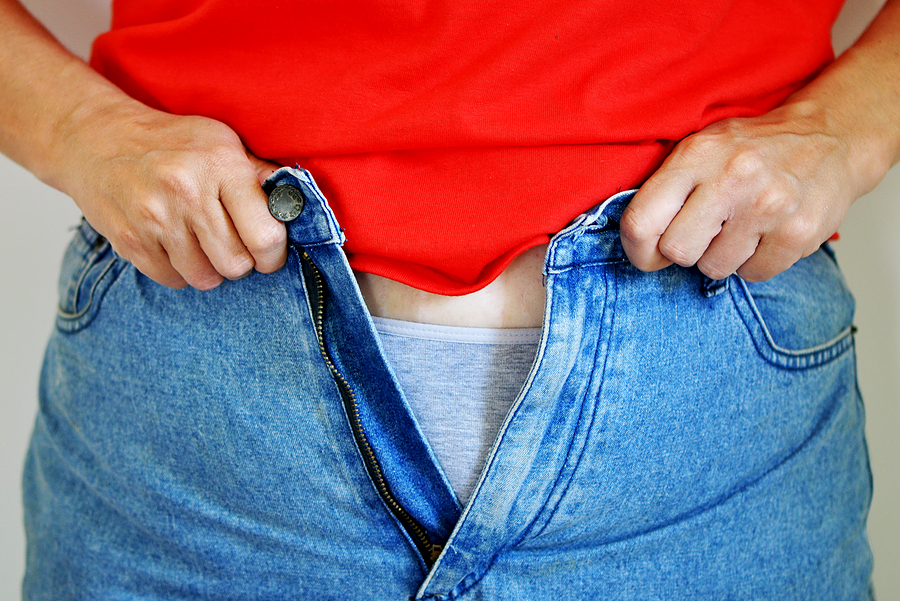
Men and women often struggle with body image issues, now called body dysmorphic disorder.  If you have an eating disorder you more than likely will struggle with issues related to body image, but you can struggle with body issues and not have an eating disorder.  The definition of body image is our mental representation of us.  It is influenced by our feeling, which influences our behavior, thinking and self-esteem.  These body perceptions, feelings, and beliefs govern our life plan, who we meet, who we marry, the nature of our interactions, day-to-day comfort level, and the tendency toward psychological disorders.  Many issues are involved in assessing your body image.  They include your weight and diet history, your parents’ perception of your birth, the story of your birth, your name, and your parents nurturing style.  Also if you had any medical interventions as a child, peer acceptance, and sexual identification.

In each family we learned how to be male and female and all the implications and factors involved with this affects how we feel about our bodies.  Some of these would be our ego ideals, menstruation, developing bodies, pregnancy, menopause and aging are just a few.  The biggest influence in our society today on young boys and girls is the media where children are being influenced by what they see, which is an illusion. Considering their steady diet of observing children being sexualized, perfect bodies created by computer programs designed to remove any flaws and remove the normal curves of a body, is it any wonder that our children learn to distain their bodies and strive for the perfection that is impossible.  Our youth are selling their souls to buy the right products, get the necessary surgery, and in the process, they disconnect from their bodies and spend the rest of their lives trying to find the answers.  The sadness to me is to observe our youth living their lives as copies and some never find the awesomeness of how they were created to be unique and original.

 To determine how you feel about your body I recommend you write a letter to your body and fill in the blanks, 

 Dear Body:

I hate it when______________.

I do not like it when__________.

I am fed up with____________.

I love you because___________.

Thank you for ______________.

I appreciate you when________.

I want_____________________.

I’m afraid__________________.

I feel scared because__________.

I am guilty for _______________.

I am sorry that_______________.

Please forgive me for _________.

 Once you recognize and accept what you feel toward your body you can begin to make changes: Here are some suggestions:

  1. Develop criteria for self-esteem that go beyond appearance.
  2. Learn to appreciate how your body functions.
  3. Engage in behaviors that make you feel good about yourself.
  4. Reduce exposure to negative media images.
  5. Exercise for strength, fitness, and health, not just for weight control.
  6. Seek out others who respect and care about your body.
  7. Get out of abusive relationships.
  8. Identify and change habitual negative thoughts about your body.
  9. If you are stuck, seek help.
  10. Work on what you can change and accept what you can’t

You have been given your body by God.  No, it is not perfect.  But learning to love it, take care of it and changing your negative views can bring incredible joy as you connect and accept your body and learn gratitude and acceptance.  What a Gift! 

Mary Bellofatto MA, LMHC, NCC, CEDS, TEP, has spent the last 35 years assisting individuals in their journey of healing. Look for up and coming workshops with Mary at Crossroads Programs for Women in Pekin, where you can begin your journey of finding renewal, hope, joy, direction and passion.  It’s called finding the real me.  God made you an original, stop trying to be a copy.

Upcoming Workshops with Mary at Crossroads:

Reclaim Your Hope!

November 15-17, 2013

www.crossroadsprogramsforwomen.com


Share this:

  • Share
  • Share on X (Opens in new window) X
  • Share on Pinterest (Opens in new window) Pinterest
  • Share on Facebook (Opens in new window) Facebook
  • Email a link to a friend (Opens in new window) Email
  • Share on LinkedIn (Opens in new window) LinkedIn
Like Loading...

Proud of Your Teen’s Weight Loss: Could You Be Missing Something Important?

15 Sunday Sep 2013

Posted by crossroads420 in Uncategorized

≈ Leave a comment

Tags

#eating disorders #crossroads programs for women #diet help

Weight Loss in Teens

Weight Loss in Teens

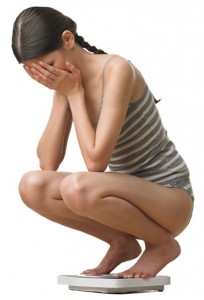
Obese teenagers who lose weight are at risk of developing eating disorders such as anorexia nervosa and bulimia nervosa, Mayo Clinic researchers imply in a recent Pediatrics article. Eating disorders among these patients are also not being adequately detected because the weight loss is seen as positive by providers and family members. It often starts a view of self that I can relate to all too well.

As a young child, I was very frail and remember being urged to eat and being given daily malt tablets to help me gain weight. However, at about 9 years old, something happened and I started to gain weight and turned into a chubby girl which continued until I was about 15 years old when I lost weight although I wasn’t dieting. My next weight gain was with my first pregnancy. I never really lost the baby weight afterwards and it wasn’t until I was about 28 when I lost weight (Weight Watchers) and maintained the loss until I went into early stages of menopause. During that period in my early thirty’s, I was often low enough weight that my menses ceased. Since menopause I have struggled with gaining and losing the same weight over and over. As someone who has struggled with my weight fluctuations since I was pre-pubescent, I can give a comprehensive witness to the positive, unsolicited, and ego stroking comments made when I have lost weight. With this pattern, I soon adapted an attitude that I am OK when I lose weight but become invisible and “NOT OK” when I gain weight. Our culture’s peer pressure is aggressively pervasive. It has taken me years (and therapy) to come to peace with who I am.

“At least 6 percent of adolescents suffer from eating disorders, and more than 55 percent of high school females and 30 percent of males report disordered eating symptoms including engaging in one or more maladaptive behaviors (fasting, diet pills, vomiting, laxatives, binge eating) to induce weight loss.

Eating disorders are associated with high relapse rates and significant impairment to daily life, along with a host of medical side effects that can be life-threatening,” says Dr. Sim, a Mayo Clinic Researcher.

“Although not widely known, individuals with a weight history in the overweight (BMI-for-age greater than or equal to the 85th percentile but less than the 95th percentile, as defined by CDC growth chart) or obese (BMI-for-age greater than or equal to the 95th percentile, as defined by the CDC growth chart) range, represent a substantial portion of adolescents presenting for eating disorder treatment,” says Dr. Sim.

“Given research that suggests early intervention promotes best chance of recovery, it is imperative that these children and adolescents’ eating disorder symptoms are identified and intervention is offered before the disease progresses,” says Dr. Sim.

This report analyzes two examples of eating disorders that developed in the process of obese adolescents’ efforts to reduce their weight. Both cases illustrate specific challenges in the identification of eating disorder behaviors in adolescents with this weight history and the corresponding delay such teenagers experience accessing appropriate treatment.
The article is published online September 9 in the journal Pediatrics. Dr. Sim’s co-authors include Mayo Clinic researchers Jocelyn Lebow, Ph.D., and Marcie Billings, M.D.

Signs and symptoms of Anorexia, Bulimia, and Binge Eating

These behaviors and emotional symptoms suggest anorexia nervosa:
Loss of a significant amount of weight.
Continuing to diet and “feeling fat” even after reaching a goal weight, or becoming visibly thin.
Irrational fear of gaining weight.
Obsession with food, calories, fat content and nutrition.
Weighing oneself once a day or more.
Refusal to discuss a diet with others.
Cooking for others but not eating.
Compulsive exercising.
Lying about eating.
Hyperactivity.
Depression and anxiety.
Eating large amounts of food and getting rid of it by throwing up, fasting, taking laxatives or exercising excessively. This is called bingeing and purging.

Physical symptoms of anorexia:
Hair loss.
Loss of monthly menstrual period.
Cold hands and feet.
Weakness and exhaustion.
Constipation.
Growth of body hair on arms, legs and other body parts.
Heart tremors.
Dry, brittle skin.
Shortness of breath.

Behaviors and emotional symptoms of bulimia:
Binge eating, or eating uncontrollably and/or secretively.
Purging by dieting, fasting, exercise, vomiting or using laxatives or diuretics.
Using the bathroom frequently after meals.
Obsession with weight.
Depression.
Mood swings.
Feelings of being out of control.

Other symptoms:
Swollen glands in the neck and face.
Heartburn.
Bloating.
Irregular periods.
Dental problems.
Constipation.
Indigestion.
Sore throat.
Vomiting blood.
Weakness and exhaustion.
Bloodshot eyes.

Behaviors and symptoms of binge eating:
Binge eating episodes.
Eating when not hungry.
Frequent dieting.
Uncontrollable eating.
Awareness that eating patterns aren’t normal.
Feelings of shame, depression or antisocial behavior.
Obesity.
Weight fluctuations.

If you detect any of these behaviors in your teenager, yourself, or a friend, it is imperative that you seek medical help. These disorders are not fads; they are killers.

Share this:

  • Share
  • Share on X (Opens in new window) X
  • Share on Pinterest (Opens in new window) Pinterest
  • Share on Facebook (Opens in new window) Facebook
  • Email a link to a friend (Opens in new window) Email
  • Share on LinkedIn (Opens in new window) LinkedIn
Like Loading...

Is depression more prevalent in women or more diagnosed in women than men?

29 Thursday Aug 2013

Posted by crossroads420 in Depression

≈ Leave a comment

Tags

addictive behaviors, and other situational stressors, Cognitive behavioral therapy, depression, Diagnostic and Statistical Manual of Mental Disorders, eating disorders, grief and loss, Hope, ICD-10, Major depressive disorder, Menopause, Prevalence, relationship issues, University of California Los Angeles

Be sure and respond to the poll at the end of this post!

It is often thought that women are more prone to depression than men.  Figures for the lifetime prevalence of depression vary according to the criteria used to define depression. Using DSM-IV’s criteria for ‘major depressive disorder’ which are similar to the ICD-10 criteria for ‘moderate depression’, the lifetime prevalence of depression is about 15 percent and the point prevalence about 5 percent. This means that an average person has about a one in seven (15 percent) chance of developing depression in the course of his or her lifetime, and about a 1 in 20 (5 percent) chance of suffering from it at this very point in time.[1]

But this may be misleading because it is not gender specific.  Women are twice as likely as men to suffer from depression.  The reasons are not entirely clear but it appears that the answer is biological, psychological, and sociocultural.  Women have higher incidence of fluctuating hormone levels.  Most obvious is postpartum depression and during menopause.  Biologically, we have a greater genetic predisposition to depression.

Women are more likely to think (or overthink?) about problems—which is a strength and a weakness.  We are also by our God-given nature more invested in relationships.  The affect on women of relationship problems often leads to depression.  Men are more apt to react to relationship problems with anger, substance misuse, or with a stoic tolerance that we, as women, see as indifference.

Sustained or chronic stress leads to elevated hormones such as cortisol, the “stress hormone,” and reduced serotonin and other neurotransmitters  in the brain, including dopamine,  which has been linked to depression.

From a cultural standpoint, women often have stress due to multiple responsibilities of working, bringing up children, maintaining a home, caring for older relatives, and the list goes on.  Added to that is that women live longer than men.  The loss of their support system of partners and friends through death and the resulting loneliness combined with declining physical conditions can lead to depression.  A woman is more apt to talk to her physician about her feelings and be diagnosed more frequently with depression.  Which leads us to wondering wether it is more prevalent in women or more diagnosed in women than men?

Regardless of the answer depression results in many women feeling hopeless and helpless.  A research study (Ages and Stages) by the University of California Los Angeles says that younger women depend on friends when depressed but women going through menopause and older rely on medication.  Young women think they can just ‘get over’ depression with the aid of friends and family. This is when the first episode of major depression is most likely – maybe after childbirth or a failed relationship. When women are in their 40’s and 50’s, depression may be assumed to be part of menopause and consequently the condition may go unrecognized. However life changes (children leaving home, divorce and aging parents) may be the actual triggers for depression than menopause.

In their sixties women tend to keep depression to themselves. In this survey, fewer than one in five confided in others. If they are dealing with the loss of a spouse, this can intensify their feeling of isolation. The take-home message of the survey is that younger women should realize that depression is a real illness that may need medical treatment. The older woman should recognize the importance of social support, as well as medication, in treating depression.

Cognitive behavioral therapy (CBT)—which focuses on changing behavior, rather than talking about your childhood, for instance—can be effective with medication or even a substitute for drugs. It is much more focused on what you seem to be doing and thinking that is keeping you depressed.

Hopelessness and helplessness are feelings that overcome us when we are depressed.  Hope is a crucial ingredient in all healing—physical and emotional.  So depression can become very debilitating for this reason.  Ask most women who have experienced depression and they will relate that they just want to stay in bed and pull the covers over their heads!

Hopelessness robs us of the joy of each day and from fully embracing all that life has to offer.  There is help and tomorrow does not have to be like today but things won’t change until the depressed person reaches out for help.


[1] Psychology Today

Share this:

  • Share
  • Share on X (Opens in new window) X
  • Share on Pinterest (Opens in new window) Pinterest
  • Share on Facebook (Opens in new window) Facebook
  • Email a link to a friend (Opens in new window) Email
  • Share on LinkedIn (Opens in new window) LinkedIn
Like Loading...

Binge Eating Disorder: What Is It?

17 Saturday Aug 2013

Posted by crossroads420 in Eating Disorders

≈ Leave a comment

Tags

American Psychiatric Association, binge eating, Binge eating disorder, DSM-5, Eating, Eating disorder, eating disorders, Food, help for food issues, Overeating, Polycystic Ovary Syndrome, women and food

ImageEven the most disciplined of us occasionally overeats, helping ourselves to seconds or even third portions, especially on holidays or at parties.  This is not a binge eating disorder.  It becomes a disorder when the bingeing occurs regularly and is accompanied by shame and secrecy.  The binger is deeply embarrassed about overeating and vows never to do it again.  However the compulsion is so strong that subsequent urges to gorge themselves cannot be resisted.

The DSM-V, released by the American Psychiatric Association in May 2013,  legitimizes the suffering of millions of Americans by designating  Binge Eating Disorder as a psychiatric illness which may make it possible to get the cost of treatment reimbursed by insurance.

According to the DSM-V, binge eating disorder is characterized by several behavioral and emotional signs:

  1.  Recurrent episodes of binge eating occurring at least once a week for three months
  2. Eating a larger amount of food than normal during a short time frame (any two-hour period)
  3. Lack of control over eating during the binge episode (feeling you can’t stop eating or control what or how much you are eating)
  4. Binge eating episodes are associated with three or more of the following:
    1. Eating until feeling uncomfortably full
    2. Eating large amounts of food when not physically hungry
    3. Eating much more rapidly than normal
    4. Eating alone out of embarrassment over quantity eaten
    5. Feeling disgusted, depressed, ashamed, or guilty after overeating

In addition there is marked distress regarding binge eating present, it is not associated with frequent inappropriate behavior such as purging, excessive exercise, etc.  Also it does not occur exclusively during the course of bulimia or anorexia.

There are many reasons people binge.  Everyone uses food to meet needs other than hunger sometimes.  It is not about an “event” of overeating.  It is about a “pattern of behavior”.  It’s also important to remember the relationship with food and eating behaviors are the symptoms of more profound underlying factors for most people with Binge Eating Disorder.  Individuals with Binge Eating Disorder use food to:

  •  Escape
  • Reward themselves
  • Avoid a stressful issue or problem
  • Sooth anxiety, fear, shame, grief, and loneliness
  • Express anger or frustration
  • Rebel from dieting, from others needs, from the “rules”
  • Distract from feelings, people, and feared situations or stressors
  • Distract from disturbing memories of traumatic experiences

While the exact causes are unknown, several factors are thought to play a part in binge eating disorder. The combination of causes and risk factors varies from person to person. Possible factors include genetics, a history of significant weight changes due to dieting or restrictive /irregular eating patterns, depression, mood disorders, weight related discrimination or bullying, problems with significant relationships, trauma and loss, emotional abuse or neglect, addictions, and sexual trauma.

People who are obese and also have binge eating disorder may be at greater risk for several potentially life-threatening complications, including Type 2 diabetes, high blood pressure and cholesterol, gallbladder disease, certain cancers, osteoarthritis, joint and muscle pain, gastrointestinal problems, depression, anxiety, sleep apnea, and Polycystic Ovary Syndrome.

The experience of living with binge eating disorder is as distressing as any other eating disorder and often accompanied by a belief that it is a willpower issue and they are simply not “strong enough” to stop.  Within a diet and thin-focused culture, the focus has been on weight loss as the goal. This “treatment” is often promoted by well-intentioned friends, family, and professionals. But with binge eating, dieting is a causal factor in the development of binge eating disorder. So it’s essential for treatment to provide alternatives to dieting for improving health and body image. In fact, weight loss as a goal of treatment—as opposed to goals of improved self care–can be damaging to the process of recovery.

For recovery to be lasting, people typically work with trained therapists, physicians, and others to address any underlying mood disorders, family dynamics, and complications from trauma. Ultimately, individuals must learn to treat themselves with the compassion and self-awareness needed for lasting recovery.

Recovery is typically an ongoing life-long process of growth and insight. But change is possible.  Treatment is about helping people and their supporters begin this process successfully and knowing it will not be a perfect journey. There will be ups and downs. But over time and with proper treatment, those with binge eating disorder can find a much more peaceful relationship with food, their bodies, and themselves.

But nothing changes until something changes!  Help is available.  http://www.crossroadsprogramsforwomen.com    800-348-0937

Bonnie Harken has been in the eating disorders treatment field since 1987. She was a founding officer of Remuda Ranch Centers serving as a Vice President until February 2002. Since February 2002 she has served as the Managing Director of The International Association of Eating Disorders Professionals Foundation (iaedp). She has also served many major eating disorders treatment facilities as a consultant.  In 2013 she opened Crossroads Programs for Women in Pekin, IL.

Reference Sources for this article:  Binge Eating Disorder Association, DSM-V, and Medical News Today.com

Share this:

  • Share
  • Share on X (Opens in new window) X
  • Share on Pinterest (Opens in new window) Pinterest
  • Share on Facebook (Opens in new window) Facebook
  • Email a link to a friend (Opens in new window) Email
  • Share on LinkedIn (Opens in new window) LinkedIn
Like Loading...
Newer posts →

Subscribe

  • Entries (RSS)
  • Comments (RSS)

Archives

  • March 2016
  • January 2016
  • December 2015
  • September 2015
  • August 2015
  • June 2015
  • February 2015
  • January 2015
  • November 2014
  • October 2014
  • September 2014
  • August 2014
  • July 2014
  • June 2014
  • May 2014
  • April 2014
  • March 2014
  • February 2014
  • October 2013
  • September 2013
  • August 2013

Categories

  • addictive behaviors
  • Alcoholism
  • Anxiety
  • Codependence
  • Depression
  • Eating Disorders
  • Grief and Loss
  • parenting teens
  • recovery tools
  • Substance Abuse
  • therapy for women
  • Uncategorized
  • women and relationships
    • Women and relationships

Meta

  • Create account
  • Log in

Blog at WordPress.com.

  • Subscribe Subscribed
    • Encouragé
    • Join 29 other subscribers
    • Already have a WordPress.com account? Log in now.
    • Encouragé
    • Subscribe Subscribed
    • Sign up
    • Log in
    • Report this content
    • View site in Reader
    • Manage subscriptions
    • Collapse this bar
 

Loading Comments...
 

    %d