
• About

Encouragé

~ Crossroads Programs for Women Blog

Encouragé

Tag Archives: #relationship problems

Emotional Pain: Does It Have a Silver Lining?

21 Saturday Feb 2015

Posted by crossroads420 in Anxiety, Codependence, Depression, Grief and Loss, therapy for women, women and relationships

≈ Leave a comment

Tags

#depression, #eating disorders #crossroads programs for women #diet help, #panic attacks #anxiety #compulsive behaviors #depression #relationship problems #eating disorders, #relationship problems, addictive behaviors, anger, anxiety
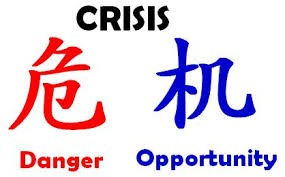
chinese symbol for crisisChange is inevitable in life and often causes pain. When we experience a crisis we can feel totally hopeless.   If we can learn to face our feelings, we can accept their legitimacy in our journey. When pain happens our natural tendency is to resist and deny the feelings. But are we really denying ourselves when we resist our feelings?

How can we break the cycle and avoid needless pain and suffering? We must allow ourselves to be aware of the feeling. Then we need to acknowledge the feeling. The final step is to accept the feeling. So the thoughts change from “I have lost that person/thing and I can’t go on” (resistance) to “I have lost that person/thing and I am sad.” The suffering lessens as we accept our sadness as a normal response to the loss. Then the process of healing can begin.

I have always found the metaphor of the Chinese symbol for crisis comforting. The symbol has two parts: the first stands for the circumstances (danger) and the second part symbolizes opportunity.

So what opportunities can come from our pain?

  • Pain allows others to be there for you. It is so easy to isolate yourself from the comfort of your friends, family and others who care about you. Not everyone will understand what you are going through but having the support of those who care about you is very comforting. Sometimes sharing a movie, having a pedicure together, or another “girls’ night out” activity is very helpful and doesn’t require an in-depth discussion or understanding of the issues you are facing.
  • Pain allows you to find your own identity. We have many roles in life: daughter, sister, mother, grandmother, and friend are just a few. Pain often happens when life circumstances change such as when the children leave home to begin their own lives and you are now tending an “empty nest”. The loss of a life partner from death or divorce are examples of a “lost” role. In these instances, you are forced to find your own identity. Identifying your core values and needs and finding your own identity is a big step on the journey of recovery and to finding happiness again.
  • Pain allows for major life change and the opportunity for understanding and putting closure on “old” pain, giving relief from repressed hurt and anger. It allows you to get spiritually connected or reconnected and to reassess your life’s goals and priorities.
  • Pain allows you to become grateful for simple things. I recommend keeping a Daily Gratitude Journal. It doesn’t have to be a fancy or expensive journal. A simple notebook will do. Start out by writing the date at the top of the page and by rating your day from -5 to +5 at first glance. Then begin to analyze your day closer. List 3 “successes” you had during the day. Then pat yourself on the back: what did you do today that required courage? What did you learn about yourself today? What actions, thoughts, steps did you take today on your journey of healing? Where do you need to be kinder to yourself and therefore happier and more productive? What did you do for yourself today (self-care)? And then finally list 3 things that you appreciate and are grateful for today. The last is essential you must list at least 3 things. As you reflect on your written thoughts, re-evaluate your day again from -5 to +5. Did your rating change as you reviewed your day with a more positive mindset? End by writing anything you noticed as you reflected on the day or something you want to do differently tomorrow.

We get stuck in our lives due to many factors: wounds of the past, conflicts of the present, and fears of the future. Professional counseling can help you identify and accept your own definition of normal. On your journey to happiness, you will learn to accept the things you cannot change, change the things you can, live one day at a time, enjoy one moment at a time, and accept the world and other people as they are-not as you want them to be. With expert guidance you will begin to understand the “whys” and learn how to move beyond today with a new confidence to change your life.

Bonnie Harken, NCLC, Founder and CEO of Crossroads Programs for Women has spent the last 30 years assisting individuals begin their journey of healing. Begin your journey of finding renewal, hope, joy, direction and passion.  Each program is a blend of lectures, group discussion, and therapeutic exercises offering a healing curriculum. We explore the spiritual components of healing from a non-denominational Christian perspective.  Why continue to struggle? Tomorrow does not have to be like today. We can help you. Call 800-348-0937 or visit www.crossroadsprogramsforwomen.com for more information. All inquiries are confidential.

Share this:

  • Share
  • Share on X (Opens in new window) X
  • Share on Pinterest (Opens in new window) Pinterest
  • Share on Facebook (Opens in new window) Facebook
  • Email a link to a friend (Opens in new window) Email
  • Share on LinkedIn (Opens in new window) LinkedIn
Like Loading...

Learning to Love and Accept Yourself is a Key to Embracing Life!

06 Friday Feb 2015

Posted by crossroads420 in addictive behaviors, Codependence, Depression, therapy for women, women and relationships

≈ Leave a comment

Tags

#crossroads programs for women, #depression, #panic attacks #anxiety #compulsive behaviors #depression #relationship problems #eating disorders, #relationship problems, #therapyforwomen, addictive behaviors, anger

Elements of learning to love and accept yourself are:  self care, self compassion, self kindness, and accepting love from others.  Our self image drives how we relate to others and the choices we make in life.  This self care quiz will help you look at how well you are doing on the first element–self care.

Self Care Quiz Instructions:

  • How good are you to yourself?
  • There are no right or wrong answers, just answer however seems appropriate for you right now – and see what you learn about yourself!
  • Score 2 points for each Yes, 1 point for each Sometimes and 0 points for No’s.
    Yes Sometimes No
1. I am up-to-date with my optician, dentist and other health check-ups
2. I am happy with my physical fitness & energy levels
3. I eat well nutritionally most of the time and do not abuse my body with caffeine, alcohol or similar
4. I have plenty of sleep so I always feel well rested
5. I take regular breaks from my work during the day, at weekends and use my holidays for enjoyment & relaxation
6. I like how my hair is at the moment, I am happy with my wardrobe and my ‘style’
7. I meditate, journal, quietly relax or have alone-time with myself regularly (where I am not doing anything e.g.. chores or doing things for others
8. I prioritize how I spend my time and important things always get done in plenty of time
10. I say “No” to myself and others when I need to
12. My home is cleaned regularly to a standard I am happy with
11. My home is organized and tidy and somewhere I love to be
13. My home is a calm haven (or has a place within it) that takes me away from the stresses of the world
9. I recognize my stress signals and know when to take a break
14. I have enough people in my life who love and support me
15. Apart from exceptional situations, I only spend time with people who support, energize and inspire me
16. I listen to and trust my intuition when it comes to looking after me
17. I have a mentor/s that support and encourage me in life
18. I have no regrets and have forgiven myself my past mistakes
19. I have let go of any past resentments towards others
20. I have reserves of things that are important to me or help my life run smoothly (anything from contact lens solution to pens, paper, vitamins or bathroom tissue!)
21. I have things to look forward to in my life
TOTAL NUMBER of Yes’s, Sometimes, and No’s.

The maximum possible total is 42. Write your score here ______

What did you learn about yourself?

Due to the demands and judgments of today’s lifestyle many women have forgotten to love themselves and as a consequence feel dissatisfied and unhappy. Crossroads’ Learning to Love Yourself program is for the woman who wants to believe and achieve new happiness and self-fulfillment.  We help women identify and accept their own definition of normal as part of their journey to happiness.  We provide a therapeutic setting free of judgment or shame to allow women to explore their needs and recognize how to achieve their goals.   Call for details 800-348-0937 or visit www.crossroadsprogramsforwomen.com.

Share this:

  • Share
  • Share on X (Opens in new window) X
  • Share on Pinterest (Opens in new window) Pinterest
  • Share on Facebook (Opens in new window) Facebook
  • Email a link to a friend (Opens in new window) Email
  • Share on LinkedIn (Opens in new window) LinkedIn
Like Loading...

Killing Me Softly: Codependency and Love Addiction

10 Saturday Jan 2015

Posted by crossroads420 in Uncategorized

≈ Leave a comment

Tags

#panic attacks #anxiety #compulsive behaviors #depression #relationship problems #eating disorders, #relationship problems, addictive behaviors, attachment disorders

Because I get so many questions from women on both codependency and love (or relationship) addiction, I want to outline symptoms and behaviors of each.  Neither is a designated mental health diagnosis but both cause extreme misery and wreck havoc in many lives.  Both are treated by mental health professionals as a set of behaviors in conjunction with other diagnoses.  They both seem to share the same foundation of symptoms starting with poor self esteem.   So let’s look at some basics that will help us understand:

Symptoms of Codependency

  1. Difficulty loving the self (self esteem)
  2. Difficulty protecting oneself by functional boundaries with others.
  3. Difficulty knowing one’s reality and owning it.
  4. Difficulty with self-care.
  5. Difficulty expressing one’s reality in moderation.

Behaviors of Codependency

  1. Controlling others or allowing others to control them. Both choices cause a codependent to project responsibility on to others for their own inability to be internally comfortable within themselves.
  2. Blaming others for the inability to protect themselves with healthy boundaries which leads to resentment.
  3. Impaired spirituality: Makes someone else their Higher Power through hate, fear, or worship. Or tries to be someone else’s Higher Power.
  4. Addictions, or mental illness or physical illness. This inability to face reality stems from lack of functional internal sense of self and sense of adequacy. There is a desire to be taken care of.
  5. Difficulty with intimacy. When a codependent has difficulty knowing who s/he is, and what her reality is, s/he cannot share in a healthy way since intimacy means sharing one’s reality. When one does not share, there is no way to check out immature perceptions, so codependent continues to have painful problems in relationship with others. Codependents often try to fix or change a partner, justify themselves, argue about the other person’s reality, and abuse the partner with sarcasm, ridicule, name calling, exaggeration, or so-called “honesty”.

Symptoms of Love Addiction

  1. Love addicts have difficulty with symptoms of codependency, and then choose addictive behaviors and internal processes to compensate.
  2. Love addicts seek to enmesh, to blend into another person. Underneath all of this is both a fear of abandonment and a fear of healthy intimacy, even if they pretend to look for it.
  3. When a codependent corrects his/her behavior, they can manage their life. But the love addict goes through severe withdrawal because like other addictive processes it is an obsessive-compulsive process used to relieve or medicate an intolerable reality.
  4. Love addicts did not bond well with their original caregivers when they were young children, experiencing a serious sense of abandonment. The message was, “Because you are worthless and unlovable, I will not care for you”. This kind of neglect and early loss creates low self-esteem and exaggerated longing.
  5. Emotional needs are immense. Love addicts have enormous fear about being able to connect emotionally.
  6. Love addicts compensated for lack of nurturing as children by immersing themselves in fantasy. Fantasies of being rescued or being the rescuer abound. Knights, dragons, romance novels- getting high from fantasy becomes habit.
  7. When love addicts play with fantasy, they can get high in about 10 minutes, and stay there for 2-3 hours. Endorphins are released into their system, relieving emotional pain.
  8. Love addicts begin relationships by trying too hard to please and connect. They are driven to find someone to tell them they are loveable and loved; to find someone who will rescue them from their inability to care for themselves; rescue them from their loneliness, emptiness, lack of self-love, inability to feel safe in the world without someone to protect them. They look for a relationship to make them feel whole.

Behaviors of Love Addiction

  1. A disproportionate amount of time and attention is spent on relationships. Love addicts obsessively think about, want to be with, touch, talk to, and listen to their partners. They rate this person as superior to themselves, or having more power. They make this person their Higher Power, but rarely know this is happening.
  2. Unrealistic expectations for unconditional positive regard from other person. Love addicts want to be cared for and treasured by another, and are always disappointed. No one can satisfy their insatiable desires. They will go to great lengths to get partners to fulfill the big fantasy they have been holding in their minds for so long. They get very angry when their fantasy isn’t matched.
  3. Love addicts neglect to care for or value self while in relationship even if they can fare perfectly well when alone. A common example is a man who never learns to do basic household things, preferring to depend on his partner.
  4. Love addicts often choose partners who might be considered avoidance “addicts” because they are not available for a relationship even if they pretend to be. They are often focused on addictions such as drug and alcohol use, work, or sexual affairs. How can a love addict expect one who is avoiding intimacy to take care of them?

Repeating Cycle of Love Addicts in Relationship

  1. At first the love addict is attracted to the power and adulation of the avoidance addict (or another love addict).
  2. Fantasy is triggered and the love addict feels high. “It’s karma, destiny, fate, we’re soul mates.”
  3. The love addict feels relief from the pain of loneliness, emptiness and not mattering.
  4. The love addict begins to enmesh with the partner, showing more neediness. Partner starts to move away, but the love addict denies the reality of being abandoned by partner. This denial protects against the agony of rejection and abandonment.
  5. Eventually the love addict begins to be aware of the abandonment, and denial crumbles. May rage and get hysterical; may bargain, threaten. Extreme focus on partner; must know or think about what partner is doing at all times. Some will stalk, or obsessively call or text message. Others endure like silent martyrs. May call partner’s boss, announce to others to gain sympathy. May dress more seductively, go on vacation with partner, have affairs, showing extreme neediness to lure partner back. Relationship becomes more and more toxic.
  6. The love addict enters withdrawal. (Avoidance addict fares better – just leaves). Love addict’s original feelings of childhood are activated along with adult feelings of current abandonment. Pain, fear, anger, jealousy, emptiness, overwhelm, hopelessness. Extremely intense depression and suicidal feelings. Fear becomes anxiety and panic. Anger becomes frustration, rage, or homicidal jealousy. As a result of this loss, the Love addict may also face loss of income, house, being a single parent. Love addict may be so overwhelmed that s/he goes into withdrawal or jumps to next point in cycle, obsession. This behavior shifts them outside of their painful feelings.
  7. Love addict now obsesses how to get the avoidance addict to return; or dreams about being rescued; or fantasizes about having a better lover; or ruminates how to get even with the avoidance addict partner; or contemplates indulging in another addiction like food or drugs to numb the pain; or plans another sexual encounter with a new partner to avoid being alone.
  8. The love addict now compulsively acts out the obsessive plans. Get drugs, food at 2am. Burn partner’s clothes. Go and beg partner to return, threaten suicide. Take overdose of pills. Kill partner, children and self. Go get laid.
  9. Repeat cycle either with the returning partner or the ensnared new partner.

Progressive Stages of Love Addiction

  1. Increasing tolerance of inappropriate behavior from others
    1. “Well he only hit me 3 times and I didn’t get many bruises.”
    2. “She was only out once overnight this week.”
    3. “I only threw the telephone.”
  2. Greater Dependence
    1. Surrender more and more responsibility to the other party.
    2. Have them handle papers, make appointments, pick up children because “I just can’t remember”
  3. Decrease in Self Care: Grooming declines, baggy clothes, disheveled look.
  4. Numbness to Feelings. “I’m ok, fine” But they’re feeling pain, anger, fear, shame, jealously
  5. Feeling Trapped or Stuck
    1. Helpless to fix the relationship.
    2. Helpless to escape pain by ending relationship.
    3. Lost the ability to care for and value self. Increasing despair, disillusionment, depression.
    4. Loss of power, Loss of ability to respond. Behavior can become bizarre.

The Final Stages

  1. Feeling abused and becoming abusive.
  2. Can only see out of a negative filter, missing the good things in partner.
  3. Cannot see own immature, irrational, and offensive behavior.

The First Step toward Recovery

The good news is that a mental health professional can help you understand your behavior and help you begin a healthy life style. It is not a quick or easy journey. The risky and destructive behavior involved in love addiction can have serious consequences but love addicts can recover. Codependents can replace their unhealthy beliefs and behaviors and recover. You can change your thinking and change your life. The first step is to reach out and get help.
______________________________
sources available upon request

The Importance of Healthy Self-Esteem and How to Get It!  Crossroads has opened a new video on demand website that offers therapy lectures with therapeutic exercises and resource materials. These pre-recorded lectures address specific issues including self esteem. We are currently adding new videos daily so check back often! Now you can have help available 24 hours a day, 7 days a week, 365 days a year! Check it out here.

Crossroads’ intensive outpatient programs and therapeutic workshops are intensely focused, action oriented, short term groups facilitated by a credentialed, experienced therapist which help women with eating disorders, addictive disorders and behaviors, codependency, depression, relationship issues, grief, loss and other emotional issues.   They are designed to help you discover the “whys” behind your struggles and learn how to move beyond today with a new confidence to change your life. www.crossroadsprogramsforwomen.com 800-348-0937

Share this:

  • Share
  • Share on X (Opens in new window) X
  • Share on Pinterest (Opens in new window) Pinterest
  • Share on Facebook (Opens in new window) Facebook
  • Email a link to a friend (Opens in new window) Email
  • Share on LinkedIn (Opens in new window) LinkedIn
Like Loading...

Buttercups and Porcupine Quills: Women, Anger, and Aggression

07 Wednesday Jan 2015

Posted by crossroads420 in Alcoholism, Anxiety, Depression, Eating Disorders, Substance Abuse, therapy for women, women and relationships

≈ Leave a comment

Tags

#panic attacks #anxiety #compulsive behaviors #depression #relationship problems #eating disorders, #relationship problems, #therapyforwomen, addictive behaviors, anger, codependency, Cognitive behavioral therapy, depression, eating disorders

I addressed what makes ordinary women angry day-to-day in my previous blog and how our gender socialization impacts how we view and express anger as women. (In 1993, Thomas conducted the Women’s Anger Study, a large-scale investigation involving 535 women between the ages of 25 and 66. The study revealed three common roots to women’s anger: powerlessness, injustice and the irresponsibility of other people.)

Many of the long term consequences of anger are negative. Yet, anger is part of our biological makeup for both genders. It is part of the fight-or-flight reaction. It had survival value in the past and it has some positives in the present including but not limited to the following:

  1. It can be an appropriate response to injustice (anger may have played a role in social movements that led to equality for women, the elderly, blacks, the disabled, protection of helpless animals, Mothers Against Drunk Driving to name a few)
  2. It is an alerting function that may help us become aware of situations in our life that we need to address directly which may lead to problem solving
  3. It may present an increased motivation to right the wrongs we see in the world as well as in our individual lives

Verbal expressions of anger may include yelling, arguing, cursing and sarcasm. Anger can also be expressed physically by raising a clenched fist, throwing a book on the floor, breaking a pencil or hitting a wall.

Anger crosses the line when it becomes aggression. Aggression has a determined intention to harm another person. Often, it reflects a desire for dominance and control. Weapons are often involved. Aggression can be shown by punching, shoving, hitting or even maiming another person, and it can occur in marital violence, child or elder abuse, bullying, or gang and criminal activities. Research shows that 90% of the time, it is acts of aggression arising from anger that wind up in the criminal justice system. But only 10 percent of anger experiences are actually followed by aggression. People often want to act aggressively when angry but most do not actually take aggressive actions. This is not to say that anger may not have negative and long lasting effects on a marriage or other significant relationships.

Facts about anger:

  • Some degree of anger will be with us for all of our lives.
  • When anger is mild, infrequent, dissipates quickly and is expressed assertively (directly to the problem person, in a non-accusatory manner) and without aggression, then professional help is not needed
  • In such circumstances, anger may serve the role of simply highlighting your annoyance and it can lead to problem resolution.
  • Taking a breather using simple tools, such as relaxation techniques and visual imagery, can help soothe angry feelings and may be a good first step before talking to person with whom you are angry.

When is more intensive professional help necessary? There is cause for alarm if:

  • your anger is moderate to intense
  • experienced frequently
  • endures to the point where you are holding a grudge
  • you have plans for revenge and getting even
  • is expressed in aggressive verbal and physical actions

When you experience anger as outlined above, you are likely at risk for the negative relationship, health and sometimes legal repercussions related to inappropriate anger expression. There can be a very high cost to anger. The good news is that mental health professionals can help you understand the triggers for your anger and help you develop strategies to control your anger and improve your life. _____________________

The relaxation techniques used to reduce stress can be very helpful in coping with anger and expressing it appropriately. Crossroads Programs for Women offers on demand video psycho-educational lectures which include resource materials and exercises for relaxation. Check them out here: https://crossroadsprogramsforwomenvide.pivotshare.com/

If you believe your anger has become aggression, please call Crossroads for information on how our programs can help. www.crossroadsprogramsforwomen.com 800-348-0937

Share this:

  • Share
  • Share on X (Opens in new window) X
  • Share on Pinterest (Opens in new window) Pinterest
  • Share on Facebook (Opens in new window) Facebook
  • Email a link to a friend (Opens in new window) Email
  • Share on LinkedIn (Opens in new window) LinkedIn
Like Loading...

Freedom from Codependency: Are You Surviving or Really Living Life?

04 Sunday Jan 2015

Posted by crossroads420 in Alcoholism, Anxiety, Depression, Eating Disorders, Grief and Loss, therapy for women, women and relationships

≈ Leave a comment

Tags

#depression, #panic attacks #anxiety #compulsive behaviors #depression #relationship problems #eating disorders, #relationship problems, #therapyforwomen, addictions, addictive behaviors, anxiety, attachment disorders, codependency

Each life is a tapestry of the individual’s experiences from birth until death. At one time codependency was used to describe the spouse or significant others of people who were chemically dependent. We now know that others, such as adult children of alcoholics, people involved in relationships with the emotionally dysfunctional, and adults who suffered abuse in childhood often have codependent behaviors. It could be someone who spends more time living their lives for others, than for themselves. It could be someone who lets the feelings and actions of others affect them to the point they lose control of their own lives.

Codependence is a deeply rooted compulsive behavior and it is born out of dysfunctional family systems (sometimes moderately, sometimes extremely). As an adult one experiences the painful trauma of the emptiness of one’s childhood and one’s relationships throughout life.

Some attempt to use others (mates, friends, and their children) as their sole source of identity, value and wellbeing, and as a way of trying to restore within one’s self the emotional losses from childhood. Their histories may include other powerful addictions which at times they used to cope with their codependence.

Melody Beattie describes in her book “Codependent No More”, codependents as hostile, controlling, manipulative and crazy. She says they are hostile because they are chronically hurt: they try to control others in a misguided attempt to regain control of themselves: they use manipulation because they believe it is the only way to get things done: and they feel crazy because of living this way. Fortunately, codependency can be overcome, but it takes a strong desire to change and usually requires some kind of therapy.

If one were to try to sum up the vast behaviors it would fit into these few characteristics:

  • Excessive caretaking (with the result being: I take such good care of you, why don’t you anticipate my needs and take care of me sometimes.) BECAUSE: You have trained them to believe you do not need anything
  • Low self-esteem (with the end result being: I only feel good about me when I help others, and if something goes wrong it must be my fault.) BECAUSE: You have accepted you will never be enough and need to feel like a victim, besides I can blame others and that makes me feel better about myself.
  • Denial (codependents ignore, minimize, or rationalize problems in the relationship, believing “things will get better when…” They stay busy to avoid thinking about their feelings; beside it’s really not that bad.”) BECAUSE: If you accept your feelings, you will have to find healthy ways to cope.
  • Fear of anger (codependents are afraid of both own and their loved one’s anger.) BECAUSE: If you accept your feelings you might have the make changes in the relationship.
  • Health Problems (The stress of codependency can lead to headaches, ulcers, asthma, high blood pressure, and many other medical, physical, and emotional issues. BECAUSE: The body is trying to send a message. A quote I heard many years ago” If one does not grieve their losses the organs will.” Often trying to deal with the family of origin mandates: Don’t Talk, Don’t Feel, and Don’t Trust
  • Addictive Behaviors (Codependents may themselves develop addictions in an attempt to deal with their pain and frustration) BECAUSE: Addictions numb the psychic, emotionally, physically, and spiritually.
  • If you identify with these behaviors, you can experience a new freedom from your self-defeating lifestyle. The good news is that you are changeable, valuable, loveable, and forgivable. There are many healthy steps of change, the first being able and willing to ask for help. We are all better together–especially in a journey of healing. ______________________

Bonnie Harken, NCLC, is CEO and Founder of Crossroads Programs for Women which offers intensive outpatient programs, online psychoeducational programming, life style and recovery coaching, and individual therapy for women. She serves as the Executive Director of The International Association of Eating Disorders Professionals Foundation Inc. (iaedp), an 800 member professional organization that trains and certifies professionals to treat eating disorders. She has been in the mental health field since 1987.   www.crossroadsprogramsforwomen.com 800-348-0937

Share this:

  • Share
  • Share on X (Opens in new window) X
  • Share on Pinterest (Opens in new window) Pinterest
  • Share on Facebook (Opens in new window) Facebook
  • Email a link to a friend (Opens in new window) Email
  • Share on LinkedIn (Opens in new window) LinkedIn
Like Loading...

The Destructive Attraction Between Codependents and Narcissists

16 Thursday Oct 2014

Posted by crossroads420 in Alcoholism, Anxiety, Depression, Eating Disorders, Grief and Loss, Substance Abuse, therapy for women, Women and relationships

≈ Leave a comment

Tags

#depression, #relationship problems, anxiety, codependency, compulsive behaviors, stress, therapy for women

The Destructive Attraction Between Codependents and Narcissists

Have you assessed the relationships in your life, both past and present, and wondered why you attract the same type of man or woman over and over?  There has been a lot written in the field of psychology about the attraction between codependents and narcissists.

Basically, narcissists focus on themselves; codependents focus on others.  For purposes of definition, a narcissist is a person who displays abnormal self-love with an exaggerated sense of superiority. They often seek attention and admiration from others and believe that they are better than others and are therefore entitled to special treatment. A narcissist is very charming in order to seduce people into liking them.  Their ability to seduce is amazing.  They want you to fall in love and bond with them so they can finally emerge as their true selves without being abandoned. The narcissist is attracted to the codependent who feels perfect to them because they are allowed to take the lead which makes them feel powerful, competent, and appreciated.  Narcissistic Personality Disorders (NPD) is a personality disorder which can be diagnosed and treated by a mental health professional.

Codependency is a learned behavior in which a person enters a relationship with another person and becomes emotionally dependent on him or her. Codependent people maintain an exaggerated sense of responsibility toward the other people in their relationships. They tend to do more than their share in their relationships and are hurt when they do not get recognition for it. Codependents confuse caretaking and sacrifice with loyalty and love.  They are proud of their loyalty and dedication to the person they love, but they end up feeling used and unappreciated.  They often are sensitive to criticism, are inflexible to change and have problems with intimacy.

Codependency is not considered a mental disorder.  However, it is a set of unhealthy behaviors which can cripple and sabotage the lives we desire because it involves manipulation, decision making and confrontation avoidance, over controlling, lack of trust, and perfectionism.

Codependents find narcissistic partners deeply appealing.  They are attracted to their charm, boldness, and confident personality.  When the narcissist and the codependent become partners, the romance sizzles with excitement in the beginning.  But the narcissist fears a loss of identity and is sensitive to everything that leads to bonding.  They might pick fights and uproars to avoid bonding, use seduce and withhold behaviors, and many other ways to sabotage intimacy and bonding.   Eventually the thrilling romance transforms into drama, conflict, feelings of neglect and feeling trapped.

Codependents confuse care taking and sacrifice with loyalty and love.  They are proud of their loyalty and dedication to the person they love, but they end up feeling used and unappreciated. Codependents desire harmony and balance but they consistently chose a partner to whom they are initially attracted but will eventually resent.  They are resistant to leaving their partner because of their lack of self esteem and self respect.  What they fail to realize is that without self esteem or self respect, they are  incapable of choosing a mutually giving and unconditionally loving partner.  Their fear of being alone, compulsion to fix the relationship at any cost, and comfort with the martyr role is often an extension of their yearning to be loved, respected, and cared for as a child. Although codependents dream of an unconditionally loving and affirming partner, they submit to their dysfunctional destiny until they decide to heal the psychological wounds that ultimately compel them to pick narcissistic partners.

Both forms of dysfunction are often the result of childhood experiences.  The narcissist has often experienced excessive pampering, neglect, or abuse.  The codependent has usually learned the behavior from other family members. It is important to note neither condition is gender specific. A narcissist can be a man or woman and likewise a codependent can be a man or woman. Narcissists are often sex addicts or love addicts.   In the past male narcissistic sex addicts have been referred to as “Don Juan or Casanova” and females as “black widow spiders”.

In psychotherapy narcissists are encouraged to develop more realistic self-esteem and expectations for other people. Codependents benefit from group therapy to help them rediscover their identity and stop self-defeating behavior.

Bonnie Harken, NCLC, Founder and CEO of Crossroads Programs for Women has spent the last 30 years assisting individuals begin their journey of healing. Begin your journey of finding renewal, hope, joy, direction and passion.  Each program is a blend of lectures, group discussion, and therapeutic exercises offering a healing curriculum. We explore the spiritual components of healing from a non denominational Christian perspective.  Why continue to struggle? Tomorrow does not have to be like today. We can help you.

Our next program:  Learning to Love Yourself, Saturday October 25th – Tuesday October 28th!  There is still time to be part of this compassionate journey to self-acceptance and a healing pathway to self-fulfillment, a Four Day Intensive Outpatient Program.  Click on this link or copy and paste into your browser for more information!http://www.crossroadsprogramsforwomen.com/WellsofChangeProgram.html
http://www.crossroadsprogramsforwomen.com

800-348-0937

← Back

Thank you for your response. ✨

Warning
Warning
Warning
Warning

Warning.


[1] Article references available upon request

Share this:

  • Share
  • Share on X (Opens in new window) X
  • Share on Pinterest (Opens in new window) Pinterest
  • Share on Facebook (Opens in new window) Facebook
  • Email a link to a friend (Opens in new window) Email
  • Share on LinkedIn (Opens in new window) LinkedIn
Like Loading...

Crossroads Includes Hormone and Neurotransmitter Testing to Support Patients in Therapy

26 Friday Sep 2014

Posted by crossroads420 in Anxiety, Depression, Eating Disorders, Grief and Loss, Substance Abuse, therapy for women, Uncategorized, women and relationships

≈ 1 Comment

Tags

#depression, #eating disorders #crossroads programs for women #diet help, #relationship problems, addictive behaviors, anxiety, stress, therapy for women

Our 5 day outpatient program-Reclaim Your Hope- and our 4 day outpatient program-Learning to Love Yourself- now include this testing free of charge to you to help detect the physiological issues complicating your emotional wellbeing. These tests will provide additional information that may be very helpful in your recovery. Therapy is directly supported when the biochemistry of the body is addressed.

What Are These Tests?

  • Two noninvasive, simple-to-take tests
  • They are based on samples of saliva and urine that are sent to a lab for analysis to test neurotransmitter and hormone levels.
  • Providing comprehensive, important information on how the systems of your body are working and how they affect your emotional well-being.
  • We have a special expert guest speaker during the program who will answer any questions you may have

Are you on anti-depressant or anti-anxiety medication? You can take the lab results from these tests to your physician to see if another medication may be more helpful or you may choose a more natural, holistic path. That is your choice! The test results will also include specific nutritional recommendations to assist in the restoration and resetting of the nervous system.

An emotion is the psychophysiological response to the interactions between biochemical and environmental stimuli. Many expressed emotions have been shown to stimulate specific brain regions. It is directly and indirectly influenced by the immune system, chronic inflammation, and mental thoughts.  Mental and emotional therapies for behavioral modifications are directly supported when biochemistry is also addressed. Assessment of neurotransmitter levels can provide valuable information about the status of the nervous system and its interaction with other systems in the body.

How Can These Tests Help?

Depression: It is very common for women with depression to take antidepressant therapies recommended by their doctor.  Commonly prescribed medications for depression work by altering brain signaling via neurotransmitter modulation. Assessment of neurotransmitters involved in depression can be helpful in selecting the best class of medication, tracking the medication’s effects, and determining the success of the medication.

Anxiety: Anxiety disorders can vary greatly in severity and duration, and accordingly, a variety of treatment plans are available. Assessment of neurotransmitter levels can provide valuable information about the status of the nervous system and its interaction with other systems in the body. The immune system can be evaluated in a number of ways to identify the presence and cause of inflammation or other root causes of anxiety. Once the biochemical abnormalities contributing to anxiety are identified, a personalized treatment approach to depression can be undertaken.

Stress: The way in which you manage stress throughout your life can have a substantial impact on your health and wellbeing. Modern living has created unnatural stress that the body can no longer adapt to at a certain point. In individuals with trouble coping, this can potentially lead to issues such as inflammatory or immune problems, in addition to neurotransmitter imbalances. Looking in to the potential cause of stress is essential in resolving the associated symptoms. Making an effort to reduce the stressors commonly present in everyday life is important, as well as providing support to help your body better deal with stress. Laboratory evaluation of neurotransmitter levels can lead your healthcare practitioner to suggest targeted amino acid therapy customized to your test results as well as your symptoms.

Hormone issues can lead to a variety of clinical symptoms. Often these issues are addressed as only a hormone problem. It is also important to consider the possible involvement of nervous, endocrine, and immune systems. The nervous system is the central regulator of the endocrine system. The immune system can override both. Evaluation of all three of these systems is needed in order to arrive at the correct diagnosis and treatment plan. Hormones and neurotransmitters can become imbalanced due to stressors on the body such as chronic inflammation, immune issues, anxiety, or depression.

What Do These Tests Cost?

These tests are expensive and only partially covered by most insurance plans.  At Crossroads we are women helping women. We know from personal experience the physical changes in our bodies throughout our lives. We understand that emotions are complex and believe that finding the right solutions based on a body, mind and spirit approach is an important component of healing. It is for this reason that this testing and education is being added to our program WITHOUT ANY ADDITIONAL COST TO YOU!

We limit the size of our groups in order to provide the most intensive therapeutic experience in a condensed format! Now these expensive tests as part of our treatment protocol in order to provide the best possible quality of care we can provide. Don’t miss out on this opportunity!

There is Still Time to Register for Our Upcoming October Program
Learning to Love Yourself – October 24-27, 2014

Questions?  Call 800-348-0937 or email me! bresourceful@earthlink.net
More information also at www.crossroadsprogramsforwomen.com

← Back

Thank you for your response. ✨

Warning
Warning
Warning
Warning

Warning.

Share this:

  • Share
  • Share on X (Opens in new window) X
  • Share on Pinterest (Opens in new window) Pinterest
  • Share on Facebook (Opens in new window) Facebook
  • Email a link to a friend (Opens in new window) Email
  • Share on LinkedIn (Opens in new window) LinkedIn
Like Loading...
Newer posts →

Subscribe

  • Entries (RSS)
  • Comments (RSS)

Archives

  • March 2016
  • January 2016
  • December 2015
  • September 2015
  • August 2015
  • June 2015
  • February 2015
  • January 2015
  • November 2014
  • October 2014
  • September 2014
  • August 2014
  • July 2014
  • June 2014
  • May 2014
  • April 2014
  • March 2014
  • February 2014
  • October 2013
  • September 2013
  • August 2013

Categories

  • addictive behaviors
  • Alcoholism
  • Anxiety
  • Codependence
  • Depression
  • Eating Disorders
  • Grief and Loss
  • parenting teens
  • recovery tools
  • Substance Abuse
  • therapy for women
  • Uncategorized
  • women and relationships
    • Women and relationships

Meta

  • Create account
  • Log in

Blog at WordPress.com.

  • Subscribe Subscribed
    • Encouragé
    • Join 29 other subscribers
    • Already have a WordPress.com account? Log in now.
    • Encouragé
    • Subscribe Subscribed
    • Sign up
    • Log in
    • Report this content
    • View site in Reader
    • Manage subscriptions
    • Collapse this bar
 

Loading Comments...
 

    %d