• About

Encouragé

~ Crossroads Programs for Women Blog

Encouragé

Category Archives: Uncategorized

Video

The Importance of Connections

10 Monday Feb 2014

Posted by crossroads420 in Uncategorized

≈ Leave a comment

Tags

addictive behaviors, codependency, depression, eating disorders, relationship issues, therapy for women

This video blog explains the role connections play in a healthy life. What happens when we become disconnected when a woman struggles with depression, codependency, eating disorders, addictive behaviors, relationship issues, grief and loss.
Crossroads Programs for Women
http://www.crossroadsprogramsforwomen.com
800-348-0937

Share this:

  • Share
  • Share on X (Opens in new window) X
  • Share on Pinterest (Opens in new window) Pinterest
  • Share on Facebook (Opens in new window) Facebook
  • Email a link to a friend (Opens in new window) Email
  • Share on LinkedIn (Opens in new window) LinkedIn
Like Loading...

Body Image: The Problem and The Difficult Solutions

25 Friday Oct 2013

Posted by crossroads420 in Uncategorized

≈ Leave a comment

Tags

body image, depression, eating disorders, help for women, stress

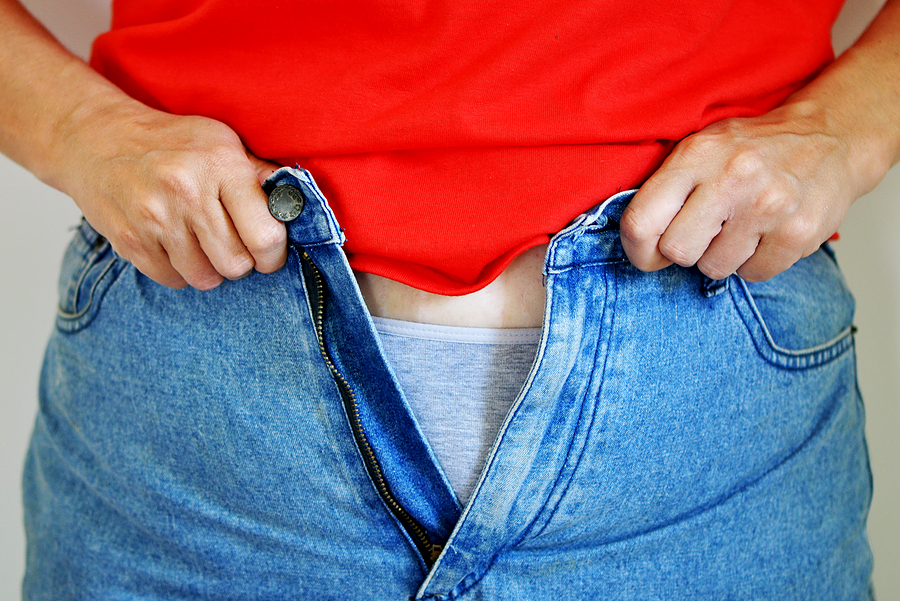
Image

Men and women often struggle with body image issues, now called body dysmorphic disorder.  If you have an eating disorder you more than likely will struggle with issues related to body image, but you can struggle with body issues and not have an eating disorder.  The definition of body image is our mental representation of us.  It is influenced by our feeling, which influences our behavior, thinking and self-esteem.  These body perceptions, feelings, and beliefs govern our life plan, who we meet, who we marry, the nature of our interactions, day-to-day comfort level, and the tendency toward psychological disorders.  Many issues are involved in assessing your body image.  They include your weight and diet history, your parents’ perception of your birth, the story of your birth, your name, and your parents nurturing style.  Also if you had any medical interventions as a child, peer acceptance, and sexual identification.

In each family we learned how to be male and female and all the implications and factors involved with this affects how we feel about our bodies.  Some of these would be our ego ideals, menstruation, developing bodies, pregnancy, menopause and aging are just a few.  The biggest influence in our society today on young boys and girls is the media where children are being influenced by what they see, which is an illusion. Considering their steady diet of observing children being sexualized, perfect bodies created by computer programs designed to remove any flaws and remove the normal curves of a body, is it any wonder that our children learn to distain their bodies and strive for the perfection that is impossible.  Our youth are selling their souls to buy the right products, get the necessary surgery, and in the process, they disconnect from their bodies and spend the rest of their lives trying to find the answers.  The sadness to me is to observe our youth living their lives as copies and some never find the awesomeness of how they were created to be unique and original.

 To determine how you feel about your body I recommend you write a letter to your body and fill in the blanks, 

 Dear Body:

I hate it when______________.

I do not like it when__________.

I am fed up with____________.

I love you because___________.

Thank you for ______________.

I appreciate you when________.

I want_____________________.

I’m afraid__________________.

I feel scared because__________.

I am guilty for _______________.

I am sorry that_______________.

Please forgive me for _________.

 Once you recognize and accept what you feel toward your body you can begin to make changes: Here are some suggestions:

  1. Develop criteria for self-esteem that go beyond appearance.
  2. Learn to appreciate how your body functions.
  3. Engage in behaviors that make you feel good about yourself.
  4. Reduce exposure to negative media images.
  5. Exercise for strength, fitness, and health, not just for weight control.
  6. Seek out others who respect and care about your body.
  7. Get out of abusive relationships.
  8. Identify and change habitual negative thoughts about your body.
  9. If you are stuck, seek help.
  10. Work on what you can change and accept what you can’t

You have been given your body by God.  No, it is not perfect.  But learning to love it, take care of it and changing your negative views can bring incredible joy as you connect and accept your body and learn gratitude and acceptance.  What a Gift! 

Mary Bellofatto MA, LMHC, NCC, CEDS, TEP, has spent the last 35 years assisting individuals in their journey of healing. Look for up and coming workshops with Mary at Crossroads Programs for Women in Pekin, where you can begin your journey of finding renewal, hope, joy, direction and passion.  It’s called finding the real me.  God made you an original, stop trying to be a copy.

Upcoming Workshops with Mary at Crossroads:

Reclaim Your Hope!

November 15-17, 2013

www.crossroadsprogramsforwomen.com


Share this:

  • Share
  • Share on X (Opens in new window) X
  • Share on Pinterest (Opens in new window) Pinterest
  • Share on Facebook (Opens in new window) Facebook
  • Email a link to a friend (Opens in new window) Email
  • Share on LinkedIn (Opens in new window) LinkedIn
Like Loading...

Proud of Your Teen’s Weight Loss: Could You Be Missing Something Important?

15 Sunday Sep 2013

Posted by crossroads420 in Uncategorized

≈ Leave a comment

Tags

#eating disorders #crossroads programs for women #diet help

Weight Loss in Teens

Weight Loss in Teens

Obese teenagers who lose weight are at risk of developing eating disorders such as anorexia nervosa and bulimia nervosa, Mayo Clinic researchers imply in a recent Pediatrics article. Eating disorders among these patients are also not being adequately detected because the weight loss is seen as positive by providers and family members. It often starts a view of self that I can relate to all too well.

As a young child, I was very frail and remember being urged to eat and being given daily malt tablets to help me gain weight. However, at about 9 years old, something happened and I started to gain weight and turned into a chubby girl which continued until I was about 15 years old when I lost weight although I wasn’t dieting. My next weight gain was with my first pregnancy. I never really lost the baby weight afterwards and it wasn’t until I was about 28 when I lost weight (Weight Watchers) and maintained the loss until I went into early stages of menopause. During that period in my early thirty’s, I was often low enough weight that my menses ceased. Since menopause I have struggled with gaining and losing the same weight over and over. As someone who has struggled with my weight fluctuations since I was pre-pubescent, I can give a comprehensive witness to the positive, unsolicited, and ego stroking comments made when I have lost weight. With this pattern, I soon adapted an attitude that I am OK when I lose weight but become invisible and “NOT OK” when I gain weight. Our culture’s peer pressure is aggressively pervasive. It has taken me years (and therapy) to come to peace with who I am.

“At least 6 percent of adolescents suffer from eating disorders, and more than 55 percent of high school females and 30 percent of males report disordered eating symptoms including engaging in one or more maladaptive behaviors (fasting, diet pills, vomiting, laxatives, binge eating) to induce weight loss.

Eating disorders are associated with high relapse rates and significant impairment to daily life, along with a host of medical side effects that can be life-threatening,” says Dr. Sim, a Mayo Clinic Researcher.

“Although not widely known, individuals with a weight history in the overweight (BMI-for-age greater than or equal to the 85th percentile but less than the 95th percentile, as defined by CDC growth chart) or obese (BMI-for-age greater than or equal to the 95th percentile, as defined by the CDC growth chart) range, represent a substantial portion of adolescents presenting for eating disorder treatment,” says Dr. Sim.

“Given research that suggests early intervention promotes best chance of recovery, it is imperative that these children and adolescents’ eating disorder symptoms are identified and intervention is offered before the disease progresses,” says Dr. Sim.

This report analyzes two examples of eating disorders that developed in the process of obese adolescents’ efforts to reduce their weight. Both cases illustrate specific challenges in the identification of eating disorder behaviors in adolescents with this weight history and the corresponding delay such teenagers experience accessing appropriate treatment.
The article is published online September 9 in the journal Pediatrics. Dr. Sim’s co-authors include Mayo Clinic researchers Jocelyn Lebow, Ph.D., and Marcie Billings, M.D.

Signs and symptoms of Anorexia, Bulimia, and Binge Eating

These behaviors and emotional symptoms suggest anorexia nervosa:
Loss of a significant amount of weight.
Continuing to diet and “feeling fat” even after reaching a goal weight, or becoming visibly thin.
Irrational fear of gaining weight.
Obsession with food, calories, fat content and nutrition.
Weighing oneself once a day or more.
Refusal to discuss a diet with others.
Cooking for others but not eating.
Compulsive exercising.
Lying about eating.
Hyperactivity.
Depression and anxiety.
Eating large amounts of food and getting rid of it by throwing up, fasting, taking laxatives or exercising excessively. This is called bingeing and purging.

Physical symptoms of anorexia:
Hair loss.
Loss of monthly menstrual period.
Cold hands and feet.
Weakness and exhaustion.
Constipation.
Growth of body hair on arms, legs and other body parts.
Heart tremors.
Dry, brittle skin.
Shortness of breath.

Behaviors and emotional symptoms of bulimia:
Binge eating, or eating uncontrollably and/or secretively.
Purging by dieting, fasting, exercise, vomiting or using laxatives or diuretics.
Using the bathroom frequently after meals.
Obsession with weight.
Depression.
Mood swings.
Feelings of being out of control.

Other symptoms:
Swollen glands in the neck and face.
Heartburn.
Bloating.
Irregular periods.
Dental problems.
Constipation.
Indigestion.
Sore throat.
Vomiting blood.
Weakness and exhaustion.
Bloodshot eyes.

Behaviors and symptoms of binge eating:
Binge eating episodes.
Eating when not hungry.
Frequent dieting.
Uncontrollable eating.
Awareness that eating patterns aren’t normal.
Feelings of shame, depression or antisocial behavior.
Obesity.
Weight fluctuations.

If you detect any of these behaviors in your teenager, yourself, or a friend, it is imperative that you seek medical help. These disorders are not fads; they are killers.
Share this:

  • Share
  • Share on X (Opens in new window) X
  • Share on Pinterest (Opens in new window) Pinterest
  • Share on Facebook (Opens in new window) Facebook
  • Email a link to a friend (Opens in new window) Email
  • Share on LinkedIn (Opens in new window) LinkedIn
Like Loading...
Newer posts →

Subscribe

  • Entries (RSS)
  • Comments (RSS)

Archives

  • March 2016
  • January 2016
  • December 2015
  • September 2015
  • August 2015
  • June 2015
  • February 2015
  • January 2015
  • November 2014
  • October 2014
  • September 2014
  • August 2014
  • July 2014
  • June 2014
  • May 2014
  • April 2014
  • March 2014
  • February 2014
  • October 2013
  • September 2013
  • August 2013

Categories

  • addictive behaviors
  • Alcoholism
  • Anxiety
  • Codependence
  • Depression
  • Eating Disorders
  • Grief and Loss
  • parenting teens
  • recovery tools
  • Substance Abuse
  • therapy for women
  • Uncategorized
  • women and relationships
    • Women and relationships

Meta

  • Create account
  • Log in

Blog at WordPress.com.

  • Subscribe Subscribed
    • Encouragé
    • Join 29 other subscribers
    • Already have a WordPress.com account? Log in now.
    • Encouragé
    • Subscribe Subscribed
    • Sign up
    • Log in
    • Report this content
    • View site in Reader
    • Manage subscriptions
    • Collapse this bar
 

Loading Comments...
 

    %d